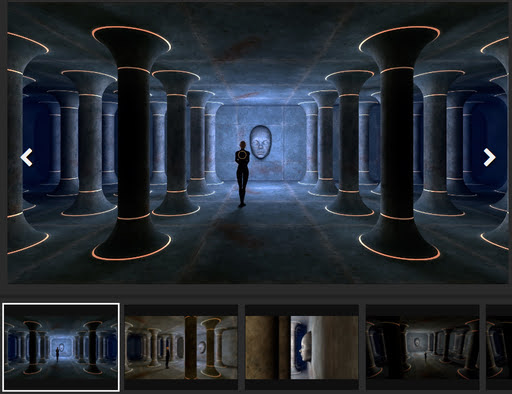
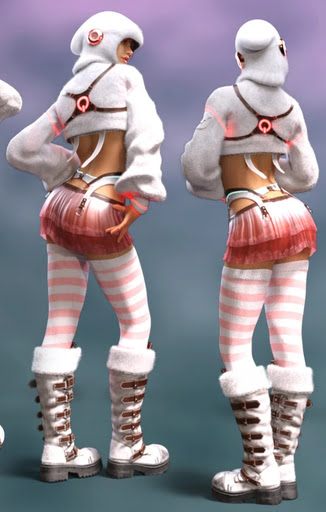
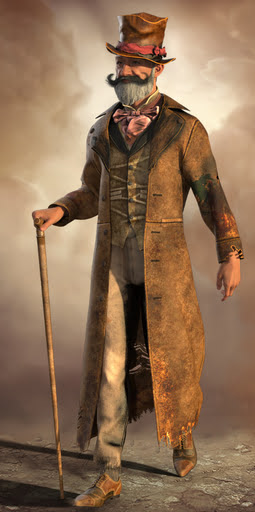
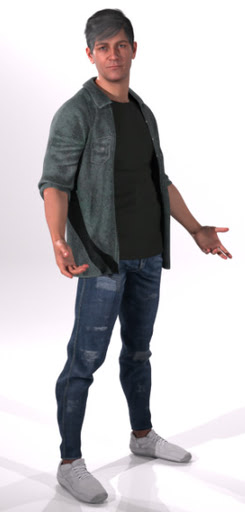
A simple demo for using a Poser figure in Minimax H3. Load the figure in Poser, in this case Nursoda’s Nunatak. Pose and light at a slight angle so the shape can be seen and so Minimax can also see the hands/fingers. One quick real-time render is enough.
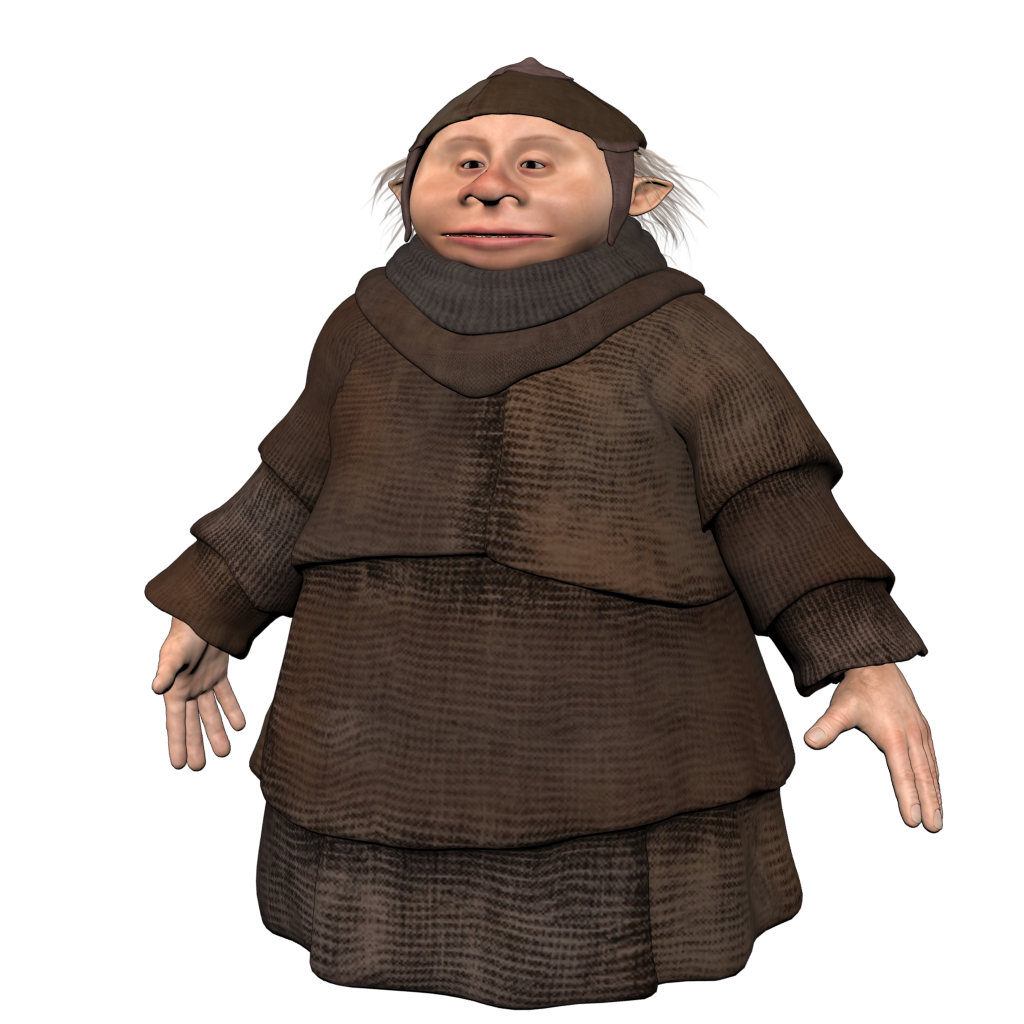
Then use the image as a reference, with a suitable prompt and style-prompt (here needle-felted stop-motion animation). For this quick demo, Nunatak the simple monk believes he can fly, and is seen trying his luck at this on a crumbling cliff-edge near his monastery.
Handbrake reduced the clip from the 1584px output (14 mins for 14 secs, RTX upscale) down to 720px for the blog. There’s unprompted invention by Minimax — the longer face, the feet and shoes — but that could be adjusted with more reference images.